Planning is a long-standing challenge for Artificial Intelligence, and the state-of-the-art approach to address it requires formal domain models that capture key aspects of the environment. Obtaining such models is usually done by a human expert, and is often a bottleneck and inhibitor to real-world deployment of planning technology.
This tutorial covers the literature for automatically learning planning domain models from observations. This includes methods for learning actions' preconditions and effects, identifying useful state representations, and active model acquisition.
Participants will gain a solid understanding of the core concepts in this active area of research, learn how it connects to Model-Based Reinforcement Learning, and become familiar with the state of the art. The tutorial also includes a hands-on session with open-source tools for learning and evaluating planning domain models.
If you are interested in Automated Planning, Knowledge Representation, or Reinforcement Learning, the answer is definitely yes! Learning planning domain models is a growing research area related to all these fields. This tutorial is designed for senior and junior researchers as well as practitioners, and is designed to equip you with the knowledge and resources to bring domain model learning into your own work.
Only a very basic background in automated planning is required; no more than the level of an undergraduate Introduction to AI class.
| Time | Session | Speaker | Slides |
|---|---|---|---|
| 08:30–09:15 | Introduction & Domain Learning Basics | Roni Stern | Link |
| 09:15-10.00 | Offline Learning Action Models | Argaman Mordoch | Link |
| 10:00-10:30 | Coffee Break ☕ | ||
| 10:30–11:00 | Learning State Abstractions | Roni Stern | Link |
| 11.00-11.45 | Active Learning and Open Challenges | Argaman Mordoch & Roni Stern | Link |
| 11.45-12.30 | Hands-on Session | Leonardo Lamanna | Link |
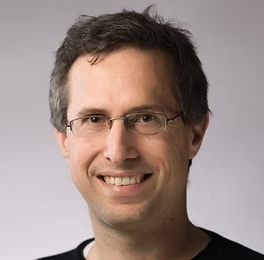
Professor and head of the Software Engineering program at Ben Gurion University of the Negev, Israel. Among other roles in the AI community, he served as the President of the Symposium on Combinatorial Search (SoCS), and the co-Program Chair for the International Conference on Automated Planning (ICAPS).
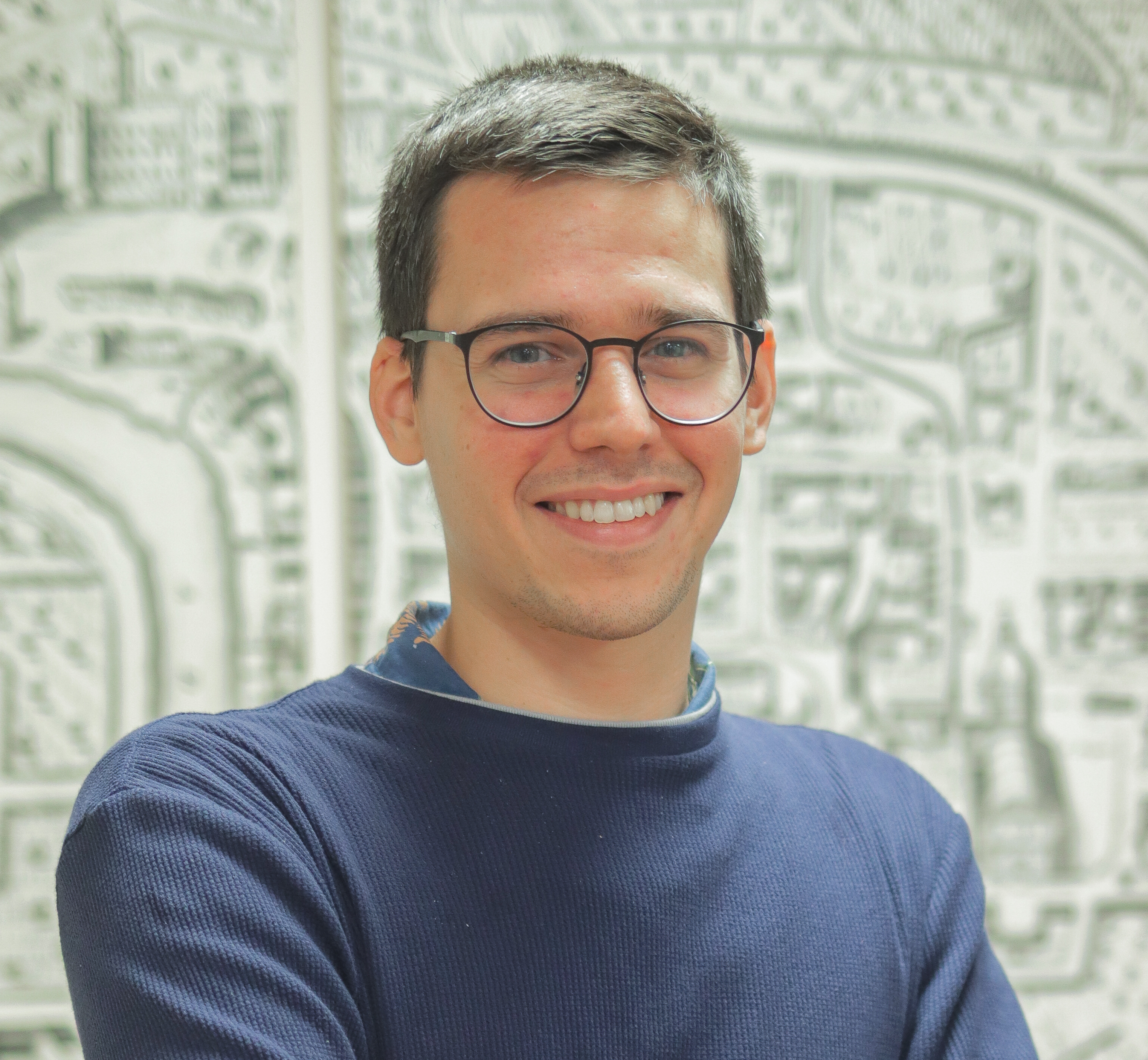
Postdoctoral Researcher at Fondazione Bruno Kessler (FBK), Italy, working on integrating learning and symbolic planning for agents operating in unknown environments. He received his PhD in 2023 at the University of Brescia; his PhD thesis was recognized the "Marco Cadoli" 2023 award from the Italian Association for Artificial Intelligence, and published by IOS press "Frontiers in Artificial Intelligence and Applications" book series.